Chemical Hazards Most Facilities Overlook: Are You Making This Costly Mistake?
By : Admin -
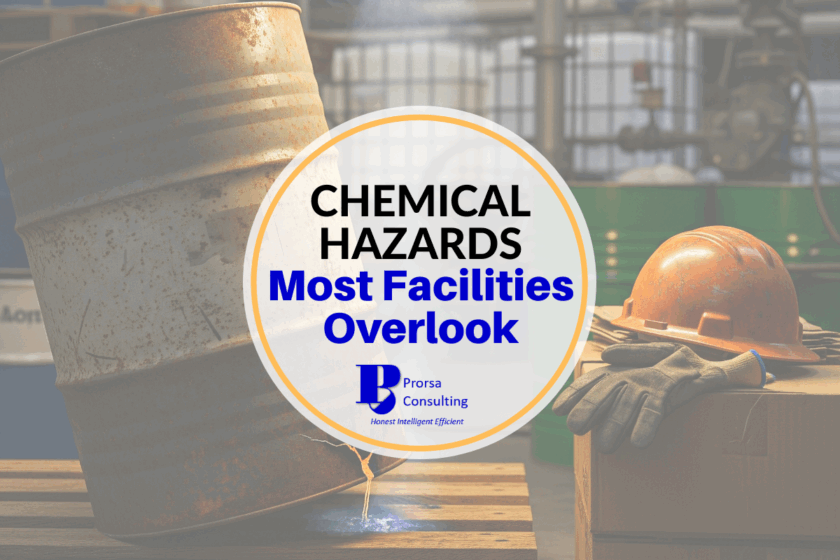
Chemical hazards aren’t just limited to toxic drum spills or obvious warning signs.
They lurk throughout manufacturing environments, posing silent risks that can cripple productivity, harm workers, and attract steep regulatory penalties. Despite strict regulations and awareness efforts, a disturbing number of incidents stem from hazards that go undetected or unaddressed due to outdated practices, poor hazard communication, or fatigue with “routine” chemicals.
If you think, “That could never happen here,” you aren’t alone, but data tells a different story. Approximately 260 hazardous chemical incidents occurred in the U.S. during 2024 alone, according to data included in the Coalition to Prevent Chemical Disaster’s Chemical Incident Tracker. The cost of even a single overlooked hazard can be catastrophic, affecting lives, property, and your company’s reputation.
This guide will help you identify and control the most commonly overlooked chemical hazards in manufacturing, master essential hazard communication strategies, and build a culture of chemical safety that keeps your operation competitive and compliant.
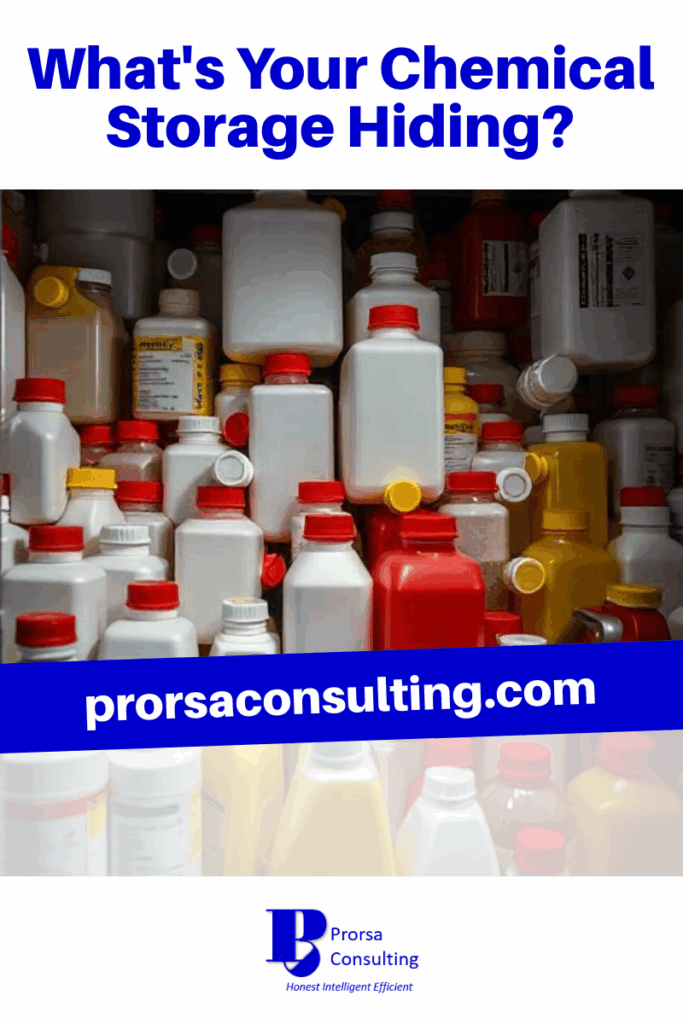
Understanding Chemical Hazards: What’s Really at Stake?
Hidden Chemical Hazards Aren’t Just Spills and Leaks
When we think of chemical hazards, dramatic events like fires or toxic releases might come to mind. Yet, most serious events are triggered by everyday exposures or preventable process oversights, such as:
- Improper storage or mixing of incompatible chemicals.
- Routine tasks that expose workers to fumes, mists, or dusts.
- Use of outdated or missing Safety Data Sheets (SDS).
- Inadequate labeling and signage, especially after secondary container transfer.
According to the Occupational Safety and Health Administration (OSHA), chemical hazards include everything from irritants and corrosives to sensitizers and carcinogens, even if they don’t cause immediate effects. And, while you may feel confident in your routine tasks, it’s these “non-emergency” exposures that cumulatively create the most significant risk.
Why Are Chemical Hazards Overlooked in Manufacturing?
- Familiarity Breeds Complacency: Routine use of chemicals often makes teams numb to risks, especially with “low hazard” substances like cleaning agents or maintenance chemicals.
- Assumption of Compliance: Relying on prior safety records or past audits can create a false sense of security, even as processes or formulations change.
- Communication Gaps: Incomplete hazard communication, including missed label updates, outdated training, or insufficient hazard communication programs, leaves dangerous gaps.
Failure to spot these issues means you’re silently accumulating risks that can hamper operations or draw regulatory scrutiny.

Are You Overlooking These Common Chemical Hazards?
1. Complacency with Everyday Chemicals
Example: Maintenance solvents, degreasers, cleaning supplies, or even lubricants are often deemed “safe” but can cause severe burns, respiratory issues, or chronic illnesses if mishandled.
Fix: Treat every chemical with respect. Regularly review all chemicals in use, not just those with “danger” labels, and include them in your hazard assessments and training.
2. Incomplete or Inconsistent Labeling
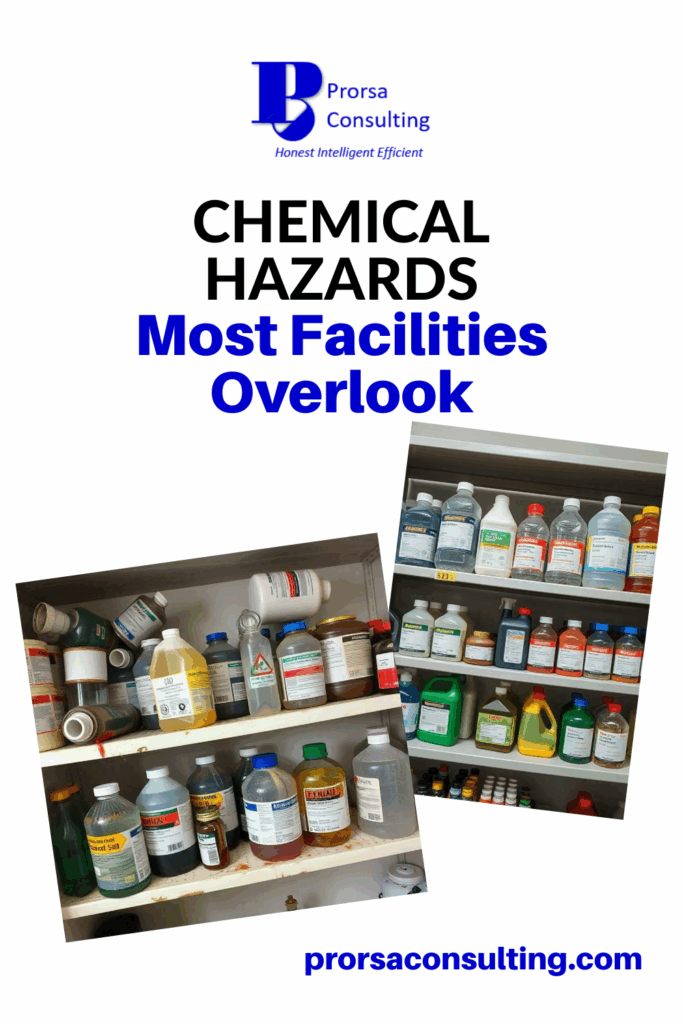
Example: Secondary containers (like spray bottles or transfer jugs) are an enormous blind spot. If not promptly and properly labeled, they erase the critical link to the original product’s hazards.
Fix: Implement a workplace labeling policy that covers all containers, ensures compliant symbols, and uses easy-to-understand terms. Conduct periodic labeling audits to catch faded, handwritten, or missing labels.
3. Storage Issues and Incompatible Chemicals
Example: Improperly segregated acids, bases, and oxidizers, or flammable liquids stored near ignition sources. This oversight creates “time-bomb” scenarios for fires and explosions.
Fix: Map your chemical storage areas, use industry best practices for segregation (such as physical barriers or dedicated cabinets), and conduct compatibility reviews routinely. Regularly train staff to spot improper storage before it results in incidents.
4. Hazard Communication Gaps in Training and Information Sharing
Example: Employees unsure about how to access up-to-date Safety Data Sheets (SDSs) or interpret chemical hazard symbols may take unsafe shortcuts.
Fix: Build a living hazard communication program that goes beyond a one-time training. Use refresher training sessions, toolbox talks, visual reminders, and two-way dialogue so that staff feel empowered to ask questions or report concerns.
5. Outdated or Missing Hazard Assessments
Example: New chemicals introduced without an updated risk assessment can result in unrecognized skin, inhalation, or environmental hazards.
Fix: Integrate a chemical review and assessment process into your hazard communication program. Ensure these evaluations consider the specific on-site uses, potential exposures, the ability of current controls to mitigate the hazards, and disposal concerns.
6. Poor Ventilation or PPE Compliance
Example: Confined or poorly ventilated areas allow hazardous vapors to concentrate, while inconsistent personal protective equipment (PPE) use increases exposure.
Fix: Monitor air quality in real time when handling volatiles or dusts, reinforce PPE requirements, and conduct hands-on training for donning/removing gear. Supervisors should model and enforce chemical safety behaviors.
What Are the True Costs of Overlooked Chemical Hazards?
Human and Legal Consequences
- Injury and illness: More than 1 billion workers worldwide are exposed to hazardous chemicals each year, with an estimated 1 million annual deaths from workplace chemical hazards globally.
- Community impact: Between 2021 and 2023, 829+ chemical incidents in the U.S. alone led to over 100 community shelter-in-place orders, 190+ evacuations, dozens of deaths, and hundreds of hospitalizations.
- Litigation and fines: Regulatory actions for missed safety steps, unlabeled containers, or missing hazard communication can result in significant legal and financial penalties.
Production and Business Risks
- Unplanned shutdowns: Even a minor spill, small release, or exposure event can halt production for hours or days.
- Equipment damage: Some chemicals corrode equipment or combust, leading to costly repairs.
- Brand and trust: Incidents erode trust with workers and the wider community, damaging your reputation and competitiveness.

Best Practices for Chemical Safety: Proactive Steps You Can Implement Now
1. Implement an Effective Hazard Communication Program
- Build a living hazard communication plan, making SDSs easy to access, labels visible and up to date, and training regular and interactive.
- Use language everyone understands. Simplify technical jargon and engage employees in two-way discussion, not just lectures. If necessary, incorporate languages other than English into your training, visual cues, and container labeling.
- Update the program regularly, as new chemicals or processes are introduced or as changes occur. Conduct an audit of the program at least every 1-2 years.
2. Train Continuously and Measure Understanding
- Set ongoing, hands-on chemical safety training beyond the initial new hire orientation. Augment new hire and refresher sessions with chemical-specific and task-specific training.
- Use tailgate talks, games, and real-world scenarios as learning tools.
- Regularly quiz or survey employees about chemical hazards and procedures to spot knowledge gaps.
3. Create a Robust Chemical Management System
- Track all chemicals in inventory, from delivery to use and disposal; digital tools can streamline this process.
- Review and update chemical assessments and process risk assessments at least yearly.
- Require formal approval for any changes to chemicals, formulations, or suppliers.
4. Foster a Culture of Shared Responsibility
- Encourage all employees to report incidents/near misses, ask questions, and suggest improvements without fear of reprisal.
- Recognize and reward proactive chemical safety behavior.
- Empower safety committees or teams to conduct regular walkthroughs.
5. Prioritize Emergency Preparedness
- Consider chemical hazards during emergency action planning, training, and drills.
- Install clear signage, eyewash stations, and emergency showers in high-risk areas.
- Coordinate with local emergency services, sharing chemical inventories and site maps.
Related Chemical Hazards Articles for You
How to Manage Your Hazardous Chemical Inventory Like A Seasoned Pro
Keep An Eagle Eye on Secondary Containment for Improved Environmental Management
Are You Truly Managing Your Chemical Hazards?
Despite progress in safety standards and technology, chemical hazards often hide in plain sight until they become a crisis. The reality is that hazard communication and chemical safety aren’t “one-and-done” items. They’re continuous, evolving processes of vigilance and adaptation.
Don’t be blindsided by familiarity or the illusion of compliance! Review your facility for these commonly missed chemical risks, refresh your hazard communication training, and empower your team to speak up about hidden dangers. The cost of inaction is too great, not just in regulatory fines or lost production, but in human lives and your lasting reputation.
How confident are you in your environmental, health, and safety program’s ability to meet your requirements? If you have any doubt, you owe it to your business’s bottom line and reputation to find out where your weaknesses may lie. Schedule a FREE discovery call with Prorsa Consulting to identify your risks and explore feasible, cost-effective solutions for your operation.