Promote Mental Health: The One EHS Strategy Your Small Business Can’t Ignore
By : Admin -
“Promote mental health” isn’t just a buzzword.
It’s an evolving imperative for every business, especially within the demanding manufacturing sector. For decades, the cornerstone of environmental, health, and safety (EHS) programs has rightly centered on mitigating physical hazards. We’ve diligently focused on preventing machine-related injuries, ensuring the safe handling of chemicals, and protecting against falls.
This vigilance over tangible, measurable risks is, without question, critical. However, amid our dedication to physical safety, a crucial, often unseen, dimension of employee well-being has remained largely overlooked. This silent hazard can significantly impact an individual’s focus, judgment, and reaction time, introducing substantial, though frequently invisible, risks within any workplace.
The modern EHS landscape requires a more comprehensive and integrated approach. Today, EHS professionals, discerning managers, and forward-thinking small business owners in manufacturing must adopt a holistic approach to well-being as an integral part of their safety frameworks. Recognizing that a truly safe and productive environment transcends the mere absence of physical injury, the imperative to proactively foster mental well-being emerges as a strategic necessity.
This post will articulate precisely why this focus isn’t merely a compassionate add-on or a beneficial extra; it is an indispensable, strategic component of a resilient and highly effective EHS program, particularly tailored for the distinct challenges faced by small businesses. Through this comprehensive guide, you’ll gain practical insights into understanding the profound impact of mental well-being, learn to develop essential program components, and discover actionable steps to empower your organization.
The Imperative: Why EHS Must Actively Promote Mental Health
The concept of workplace safety has long been associated with the use of hard hats, safety goggles, and lockout/tagout procedures. While these physical safeguards remain non-negotiable, a more insidious threat often operates beneath the surface . . . the state of an employee’s mental health.
Ignoring this critical area no longer aligns with comprehensive EHS principles, and it cannot be sustained by any small business aiming for long-term success. The evidence is clear: cultivating an environment that actively promotes mental health is not just morally right, but strategically vital.
The Direct Link Between Mental Health and Workplace Safety
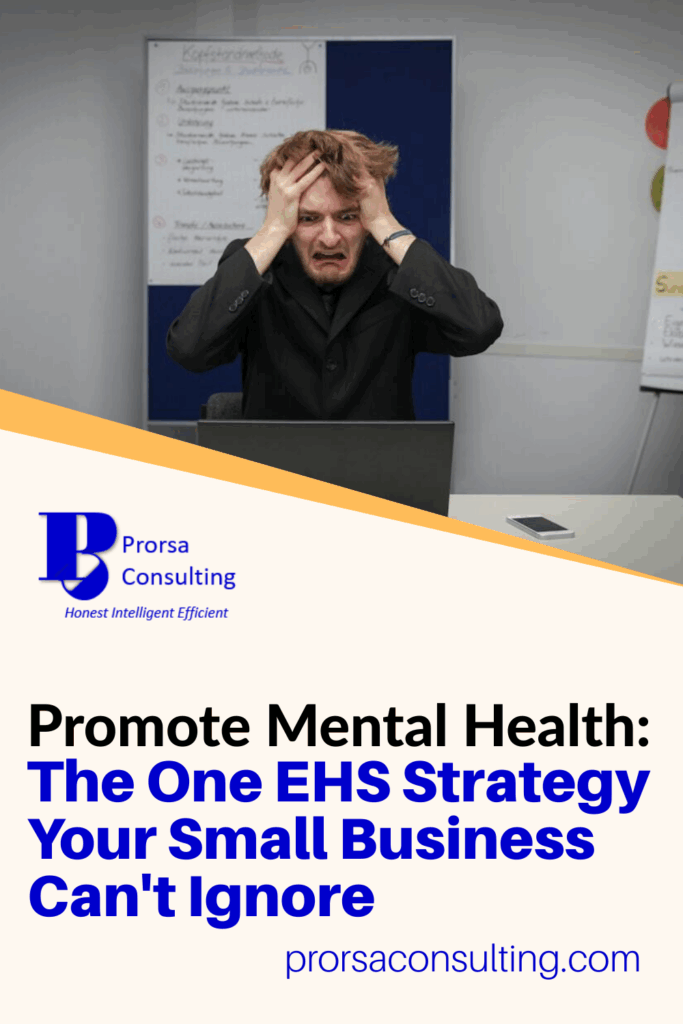
It’s a straightforward equation . . . a distracted mind is a vulnerable mind. When employees struggle with stress, anxiety, depression, or other mental health challenges, their cognitive abilities are undeniably impacted. The effects aren’t theoretical; they translate directly to the shop floor.
Consider a machine operator battling severe anxiety. Their focus might waver, leading them to misread gauges or overlook critical safety checks. An employee experiencing burnout could exhibit delayed reaction times, turning a near-miss into a serious incident when handling heavy equipment.
These scenarios highlight how compromised decision-making and impaired concentration, direct results of poor mental health, can drastically increase the risk of accidents in bustling manufacturing environments. Therefore, a truly robust EHS framework must extend its vigilance beyond purely physical dangers to encompass these critical psychosocial factors.
Economic Impact on Small Business Operations
For small business owners, every dollar and every employee matter intensely. The financial repercussions of neglecting employee mental health are often underestimated, yet they carry a significant weight. We’re not just talking about direct costs, such as increased healthcare premiums.
Consider the pervasive issue of absenteeism, where employees simply do not show up, and its close cousin, presenteeism, where individuals are physically present but mentally disengaged and unproductive. Both drain resources and reduce output. Furthermore, high employee turnover, often exacerbated by a lack of support for employee well-being, leads to ongoing recruitment, onboarding, and training expenses.
For small businesses, with typically thinner margins and fewer personnel to absorb such disruptions, these hidden costs are disproportionately burdensome. Viewing efforts to promote mental health as an “expense” misses the point entirely; it is, in fact, a strategic investment that yields tangible returns in enhanced productivity, fewer incidents, and a healthier bottom line.
Elevating EHS Beyond Compliance
In many sectors, EHS is perceived primarily through the lens of regulatory compliance, a necessary obligation to avoid fines and legal issues. While compliance is fundamental, a proactive approach to promoting mental health enables a small business to significantly elevate its EHS program beyond this baseline.
By visibly prioritizing mental health awareness and support, your organization not only meets but also sets the standards. This commitment fosters a profoundly positive company culture, one where employees feel genuinely valued and supported.
Such an environment naturally improves morale, boosts engagement, and dramatically enhances employee retention, as people are more likely to stay with an employer who invests in their complete well-being. Ultimately, a strong EHS program that prioritizes both physical and mental health transforms a small business into an “employer of choice,” attracting top talent and reinforcing a reputation for trustworthiness and responsibility in a competitive market.

Core Pillars of an Integrated EHS & Mental Health Program
Building a workplace culture that truly champions well-being requires more than just good intentions; it demands a structured approach to achieving this goal. Just as EHS relies on foundational principles for physical safety, integrating mental health support necessitates its own set of core pillars. These elements work in concert to create an environment where employees feel secure, supported, and psychologically safe, thereby directly promoting mental health effectively.
Leadership Commitment: The Foundation for Success
Any meaningful initiative within an organization must have the support of top leaders, and mental health awareness is no exception. Genuine commitment from leadership isn’t merely beneficial; it’s absolutely paramount. When leaders actively champion mental well-being and openly participate in related initiatives, it sends a powerful message throughout the entire company.
Visible actions like discussing mental well-being openly in meetings, allocating necessary resources, and sharing personal experiences (where appropriate) demonstrate authenticity and build invaluable trust. Such activities signal to every employee that their mental health is a legitimate priority that is taken seriously by senior leadership, not just a fleeting corporate trend.
Training and Mental Health Awareness Education
One of the most significant barriers to addressing mental health in the workplace is stigma. Education is the most effective tool for dismantling these deeply ingrained misconceptions. Thus, comprehensive training should be a cornerstone, beginning with supervisors and managers.
These individuals are often the first point of contact for employees experiencing distress, making it critical for them to receive training on how to:
- Recognize the signs of struggle: Understanding common indicators of stress, anxiety, or depression.
- Initiate supportive conversations: Learning empathetic and non-judgmental communication techniques.
- Direct to appropriate resources: Knowing when and how to refer employees to professional help without attempting to act as therapists themselves.
Beyond management, general mental health awareness training for all employees is crucial. This education can focus on self-care strategies, building resilience, and fostering peer support networks. Crucially, all training materials and examples should be tailored to the manufacturing sector, acknowledging and addressing the specific stressors and demands unique to this industry, ensuring the content is relevant and relatable.
Creating a Supportive Culture for Mental Health
An effective EHS program that seeks to promote mental health must actively cultivate a culture of psychological safety. As such, your strategy needs to create an environment where employees feel genuinely safe to express concerns, ask for help, and even admit mistakes without the fear of negative repercussions, judgment, or professional penalties.
Beyond psychological safety, consider implementing policies that actively support a healthier work-life balance, such as exploring flexible scheduling where feasible, ensuring reasonable workload management, and encouraging regular breaks. Furthermore, applying EHS principles to identify and mitigate psychosocial hazards, such as excessive job demands, a lack of employee control over their work, insufficient social support, or instances of workplace bullying, is vital. Addressing these root causes proactively can significantly reduce stress and improve overall well-being.
Access to Resources for Promoting Mental Health
Providing clear, accessible pathways to support is fundamental. Even for a small business, implementing an Employee Assistance Program (EAP) can be highly beneficial. EAPs offer confidential counseling and referral services for employees and their families, addressing a range of personal and work-related issues.
For organizations with budget constraints, exploring local community mental health services, non-profit organizations, or public health initiatives can yield valuable, low-cost, or even free support options. Additionally, encouraging the establishment of internal support networks, such as peer support groups or training employees as mental health first aiders, can foster a vital sense of community and shared understanding, ensuring that help is always within reach.
Actionable Steps: How to Effectively Promote Mental Health in Your Manufacturing Small Business
Translating strategic intent into tangible results requires a series of deliberate, actionable steps. For small businesses in manufacturing, effectively integrating mental health support into your EHS framework means moving beyond theory to practical implementation. This section provides a clear roadmap to help you promote mental health proactively within your organization, fostering a safer and more productive environment.
Step 1: Conduct a Needs Assessment
Before launching any new initiative, it is essential to thoroughly understand your workforce’s current state, which involves gathering and analyzing insightful data. You can collect what’s necessary through anonymous employee surveys designed to gauge stress levels, perceptions of workplace support, and general well-being.
Likewise, confidential one-on-one discussions (if employees feel safe enough) or a deeper analysis of safety incidents and near-misses that might have underlying stress or fatigue factors can provide invaluable insights. The goal here is to identify specific stressors unique to your manufacturing operations, be it the pressures of shift work, high noise levels, the monotony of repetitive tasks, or aggressive production targets.
A structured approach to determine a precise diagnosis enables targeted, practical solutions to promote mental health.
Step 2: Develop a Tailored Mental Health Awareness Policy
A foundational element of any robust EHS program is a clear policy. This truth applies equally to mental health. Therefore, your small business should consider drafting a concise, comprehensive mental health policy that seamlessly integrates with your existing EHS policies and procedures.
You don’t want to create another siloed document here, but rather demonstrate that mental well-being is an inherent part of your safety culture. Essential components of this policy should include the following:
- Anti-stigma commitments: Explicitly stating your company’s dedication to creating an environment free from mental health discrimination.
- Confidentiality clauses: Assuring employees that seeking support will be handled with utmost discretion and confidentiality.
- Clear referral pathways: Outlining simple, step-by-step processes for accessing help.
- Management responsibilities: Defining the roles of supervisors and leaders in supporting employee well-being.
Effectively communicating your mental health awareness policy to all employees is equally important as having one. Doing so ensures everyone understands their rights and available resources.
Step 3: Implement Targeted Training Programs
Education is the bedrock of positive change. Thus, small operations must deliver practical and impactful training programs to drive the desired results.
For managers, create detailed scenarios that illustrate how to approach and support employees who may be struggling with mental health issues in an empathetic manner. This training might include role-playing difficult conversations or providing scripts for non-judgmental outreach.
For all employees, suggest engaging resilience workshops that focus on stress management techniques, mindfulness practices, and building healthy coping mechanisms directly relevant to the unique demands of a manufacturing job. Furthermore, emphasize conducting regular refreshers and ongoing training to ensure mental health awareness remains a consistent priority, fostering a culture of continuous learning and support.
Step 4: Foster Open Communication Channels
Creating a workplace where employees feel comfortable discussing mental health concerns openly, without fear of judgment or professional repercussions, is paramount. Share strategies for establishing “safe spaces,” whether through dedicated discussion groups, anonymous feedback platforms, or regular, informal check-ins.
Additionally, implement robust feedback loops that allow employees to provide suggestions on workplace stressors and contribute to improvements in EHS and well-being initiatives. Advise leaders on their crucial role as facilitators, including modeling open communication, demonstrating genuine empathy, and actively listening to employee concerns. This transparent dialogue is essential for a thriving and supportive environment.
Step 5: Partner with External Resources
Even the most dedicated small business may not have internal expertise to address every mental health need. So, what do you do? Start by evaluating Employee Assistance Program (EAP) providers to find one that aligns with your company’s values and budget.
Furthermore, identify and collaborate with local mental health organizations, licensed therapists, or public health initiatives that can provide specialized, often low-cost or free, support. Finally, establish transparent and confidential referral processes to ensure employees can seamlessly connect with professional help when it’s beyond the scope of internal support.
Measuring Impact and Continuous Improvement
Establishing comprehensive programs to promote mental health within your small business’s EHS framework is a significant undertaking. Yet, the work doesn’t end with implementation.
To ensure your initiatives are genuinely effective and provide ongoing value, a robust system for measuring their impact, along with a commitment to continuous improvement, is essential. This iterative process ensures your efforts remain relevant, responsive, and maximally beneficial for both your workforce and your bottom line.
Key Metrics for Success
Moving beyond anecdotal evidence is crucial for demonstrating the tangible benefits of your mental health awareness efforts. While respecting employee privacy and confidentiality, it’s vital to identify and track measurable indicators. Consider monitoring metrics such as:
- EAP utilization rates: An increase here can signal growing trust and accessibility of support.
- Reduction in reported stress-related incidents or near-misses: While there is not always a direct causal link, a decrease could suggest improved employee focus and reduced cognitive load.
- Employee feedback from anonymous well-being surveys: Regular surveys provide direct insights into perceived support, stress levels, and areas that need improvement.
- Absenteeism and presenteeism rates: Tracking these can reveal the broader impact on productivity and employee engagement.
Ultimately, success isn’t defined by a single data point. Instead, it’s about observing a holistic improvement in overall workplace safety and well-being, demonstrating that your commitment to promoting mental health is yielding positive, measurable outcomes.
Adapting Your Strategy to Promote Mental Health
The landscape of employee well-being is dynamic, influenced by changes in the workplace, external factors, and individual needs. Therefore, promoting mental health must be approached as an ongoing, adaptive process, not a one-time project.
Regular review and adjustments, based on collected data and open employee feedback, are non-negotiable. Thus, your small business must be prepared to:
- Analyze data trends to identify what’s working well and what areas require more attention.
- Gather employee input to understand firsthand the impact of initiatives and solicit suggestions for improvement.
- Refine programs to adapt training content, communication methods, or resource offerings based on new insights.
Framing adaptation of your mental health awareness program as a vital aspect of an agile and responsive EHS management system ensures your mental health awareness efforts remain sharp, relevant, and continuously evolve to meet the changing needs of your small business and its invaluable workforce.
Related Promote Mental Health Awareness Articles for You
Safety Key Performance Indicators to Guide Your Improvement Efforts
Top Management Commitment in EHS: The Surprise Defense to a Deficient Culture
Worker Fatigue Dangers: What’s Your Company’s Plan to Prevent the Worst Outcomes?
Final Thoughts to Promote Mental Health
A holistic perspective on promoting mental health in the workplace is not merely an aspiration; it’s a strategic imperative for fostering resilient, productive workforces. For the small business, while resources may be limited, the inherent agility and close-knit nature often allow for a deeply personal and impactful approach to employee well-being.
By committing to promote mental health, you, as a small business leader or EHS professional, cultivate a workplace where every employee feels supported, valued, and psychologically safe. This foundation lays the groundwork for a safer manufacturing environment, founded on comprehensive mental health awareness and proactive support for all.
Ready to get started on your mental health awareness strategy? Schedule a FREE Discovery Call with us to design an approach tailored to your unique operations. You have nothing to lose and everything to gain.